
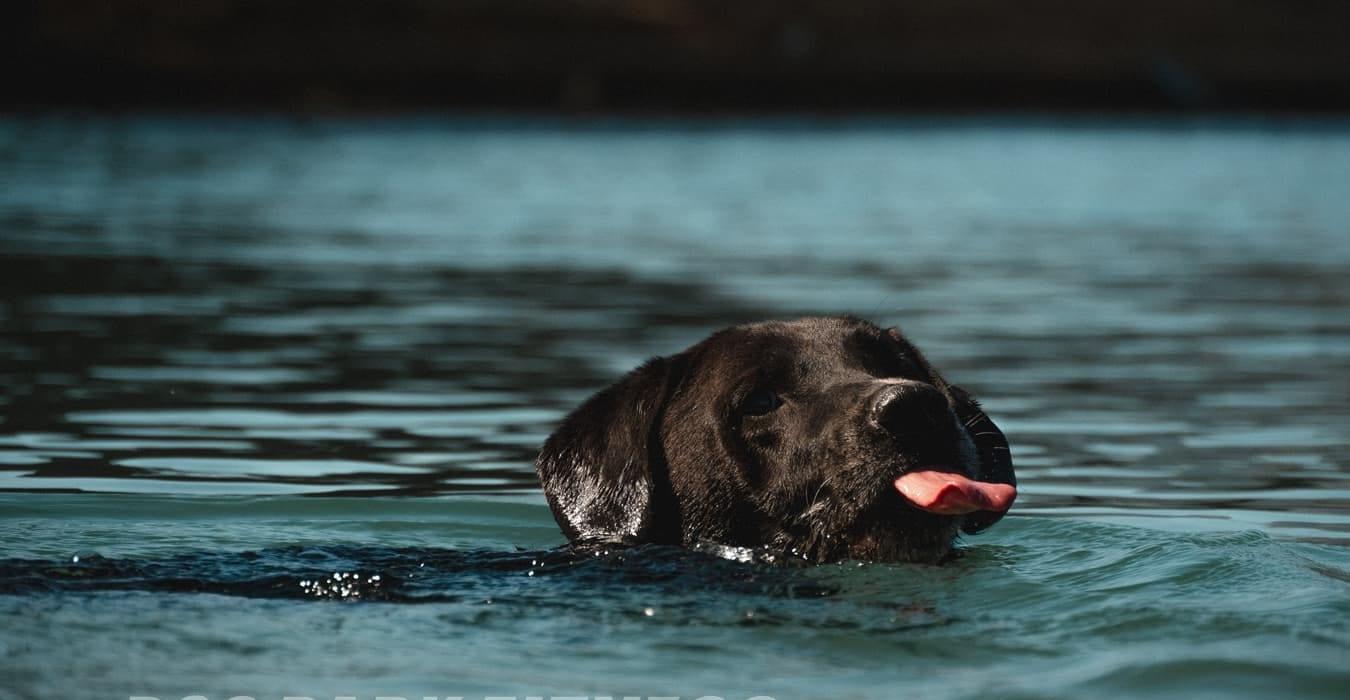
Adapted from an article by Dr. Judy Morgan, DVM. Read her full article, with sources, at drjudymorgan.com.
Summer is the best season for dogs and the busiest one for vets. Dr. Judy Morgan’s list of warm-weather hazards is a good one to run through before the first hot weekend. Here are the highlights.
Heatstroke: cool, not cold
Watch for collapse, weakness, heavy panting, unusual lethargy, vomiting or diarrhea, and get to a vet right away. On the way, cool the dog with cool or room-temperature water. Dr. Judy warns against ice and ice-cold water: they constrict blood vessels, so the body sheds heat more slowly.
Water: not every dog is a swimmer
- Currents and waves can overwhelm a strong dog. Use a fitted life vest on boats and paddleboards.
- Gulping seawater while playing can cause vomiting and dehydration.
- Teach dogs the way in and out of a pool, and fence it, especially for older dogs with poor eyesight.
- Keep dogs away from puddles and stagnant ponds, especially ones with algae. They can carry leptospirosis, which can also spread to people.
Heat from above and below
Never leave a dog in a parked car, even briefly. Asphalt, concrete and sand get hot enough to burn pads, so walk on grass, go early or late, and shorten the route on the hottest days. Flat-faced breeds, overweight dogs and dogs with heart or airway problems are most at risk in heat and humidity.
Stings, scraps and injuries
A sting that swells the face can swell the airway too, so treat it as an emergency. Corn cobs, peach pits and barbecue skewers can block or puncture the gut. More time outdoors means more scrapes and fights, so keep a pet first-aid kit and have any wound deeper than a scratch checked.
Fresh water, all day
Dr. Judy’s last point is the simplest: dogs need fresh water at all times, inside and out. Wash the bowl every day, because bacteria build up quickly in warm weather. She also says not to share public water bowls with unfamiliar dogs, which is why we build our dog park fountains without a standing basin. Each dog gets fresh water from the line.
This post is for information only and isn’t a substitute for advice from your own veterinarian.